
Preventive Maintenance of Drainage Systems
Request a Call Back
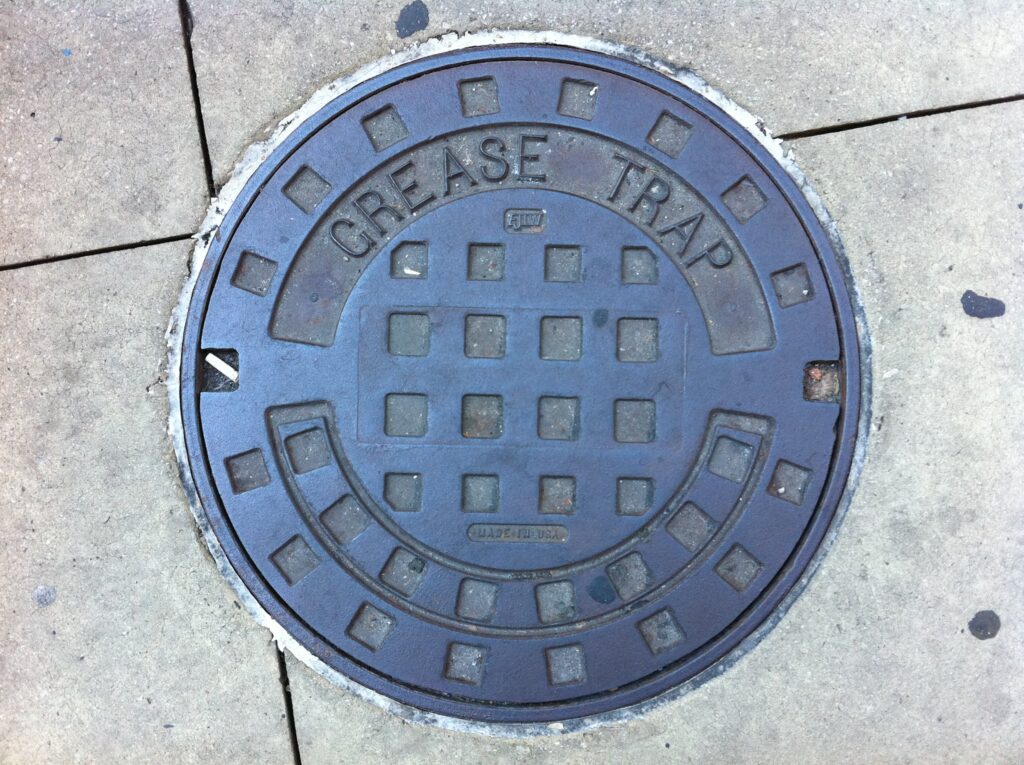
Grease Trap Installation
Conducting a thorough ocular inspection is the first step to ensuring a grease trap solution that perfectly fits your needs. Our experienced technicians will meticulously examine your kitchen’s plumbing system and waste generation to make informed recommendations.
Here’s how this initial inspection benefits you:
- Right-Sized Grease Trap: We’ll determine the ideal grease trap size and quantity based on your specific operation. Installing an undersized trap leads to frequent pumping and potential overflows, while an oversized one is a needless expense.
- Optimal Performance: Choosing the appropriate trap ensures it can effectively capture grease, preventing clogs and maintaining smooth operation in your kitchen.
- Compliance with Regulations: Many localities have regulations regarding grease trap installation. Our inspection helps ensure your system meets all compliance standards.
Beyond Inspection: A Comprehensive Grease Trap Service
Following the inspection, we’ll provide a detailed proposal outlining the recommended grease trap size(s), placement, and installation process. Our services also include:
- Professional Installation: Our licensed and insured plumbers will ensure your grease trap is installed correctly and according to code.
- Maintenance Plans: We offer ongoing maintenance plans to ensure your grease trap is regularly cleaned and functioning optimally, preventing future problems.
- Compliance Support: We can help you navigate local grease trap regulations and ensure your system remains compliant.
Frequently Asked Questions
How often will I need to have my grease trap pumped?
The frequency of pumping depends on the size of your grease trap and the volume of grease your kitchen produces. During the initial inspection, we can estimate the pumping schedule based on your specific operation. Generally, restaurants with high grease production may require pumping every 1-3 months, while lower volume kitchens might need it every 6 months or even annually.
What happens if I don't install a grease trap?
Grease traps are essential for preventing clogs and protecting your plumbing system. Without a trap, grease will solidify in your pipes, leading to backups, overflows, and potential damage. Additionally, many localities have regulations mandating grease traps for commercial kitchens. Failing to comply can result in fines or even closure of your establishment.
Is there a difference between indoor and outdoor grease traps?
Yes, there are two main types of grease traps: indoor and outdoor. Indoor traps are typically smaller and located under the sink or within the kitchen itself. They are suitable for low-volume kitchens. Outdoor traps are larger and buried underground, ideal for high-volume operations. Our technicians can recommend the most suitable type for your needs during the inspection.